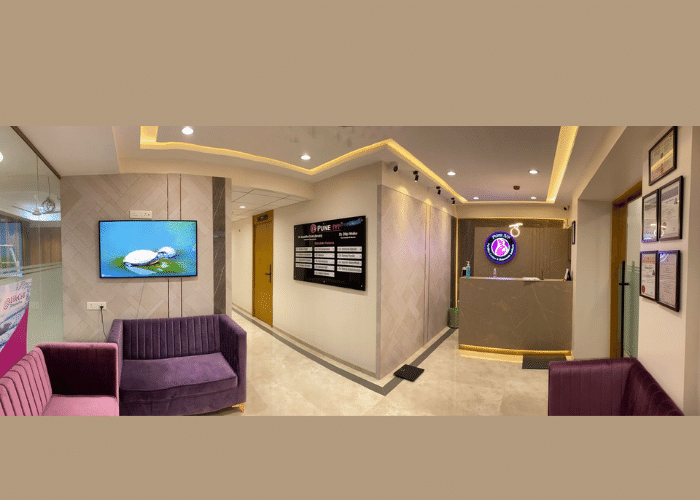
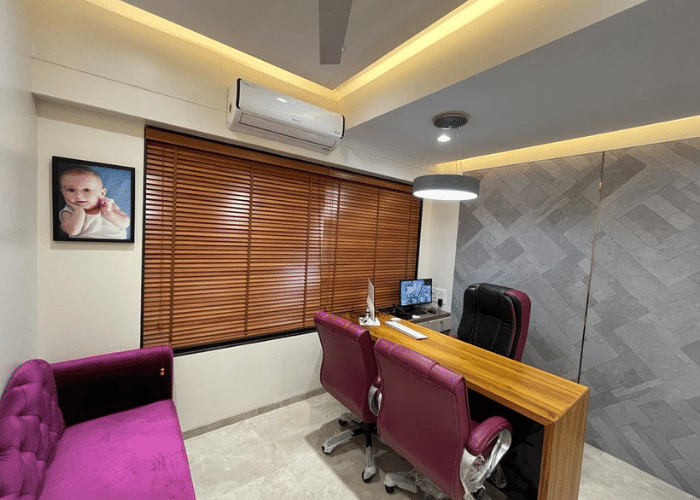
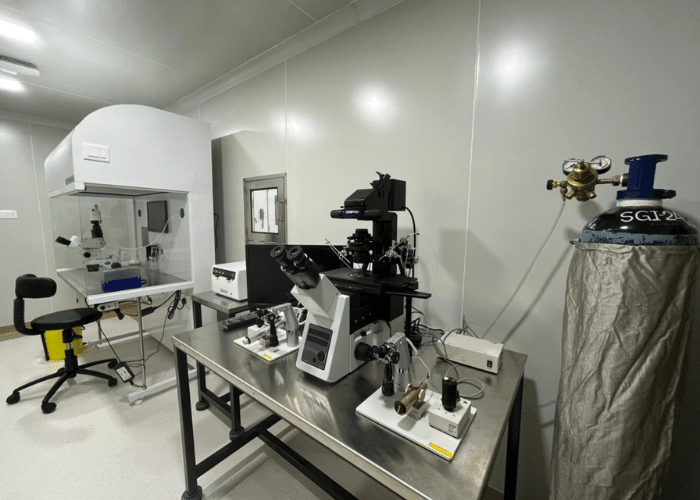
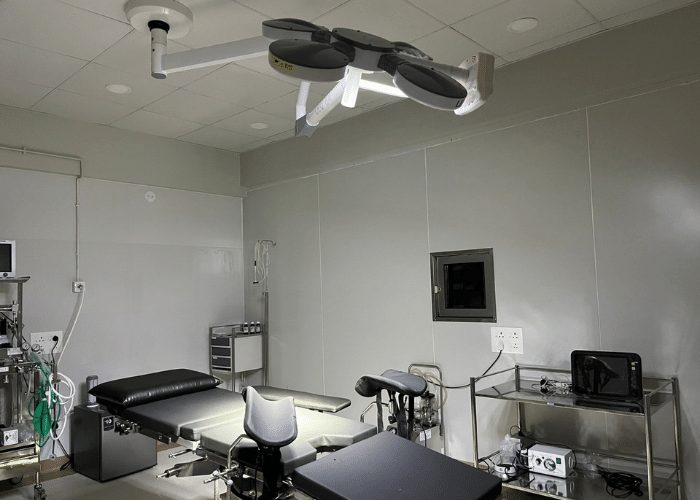
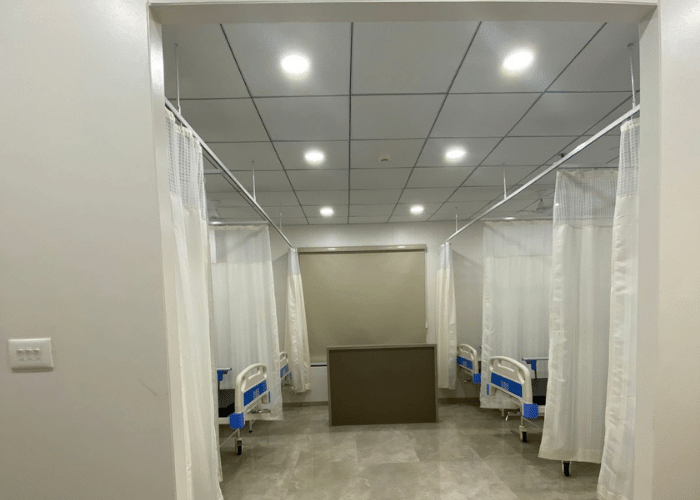
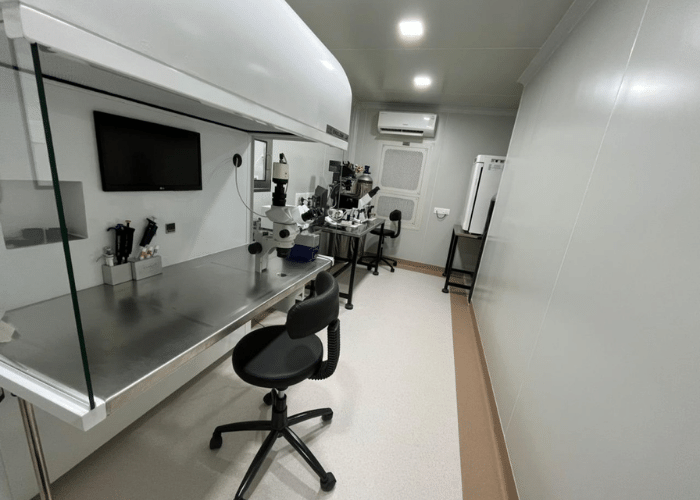
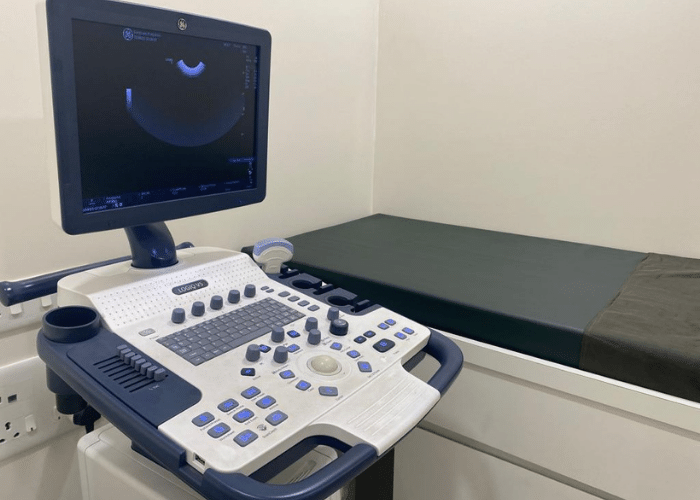
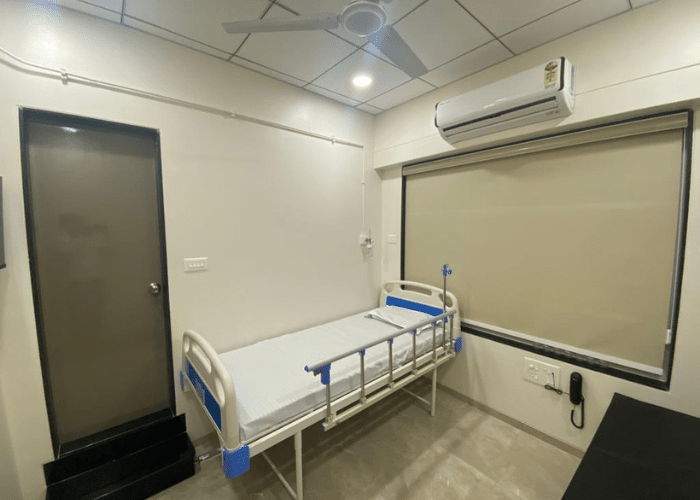
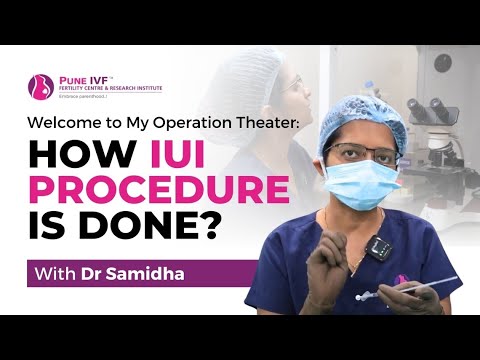
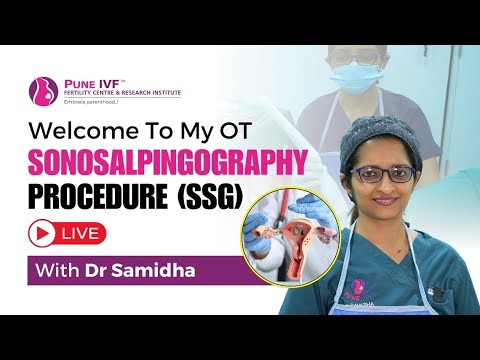
Pimpri Chinchwad's advanced embryology lab — precision laser hatching to give embryos a better chance at implantation.
Laser Assisted Hatching (LAH) is a specialised embryology technique used alongside IVF, in which a computer-controlled laser gently thins or opens a small area of the embryo's outer shell, called the zona pellucida. In a natural pregnancy, an embryo needs to "hatch" out of this shell before it can implant into the uterine lining. In some cases, this shell is thicker or harder than usual, making natural hatching more difficult.
By creating a precise, controlled opening in the zona pellucida before transfer, laser hatching gives the embryo an easier path to hatch and attach to the uterine wall, improving the chances of successful implantation
Your embryologist will assess your embryos under the microscope and recommend laser hatching only when it's likely to genuinely improve your chances.
Laser hatching isn't needed for every IVF cycle — it's usually recommended in specific situations where natural hatching may be harder for the embryo. Here's when doctors typically suggest it.
When the fallopian tubes are blocked or damaged, IVF bypasses them entirely by fertilising the egg outside the body.
Women with age-related fertility issues often have embryos with a naturally thicker zona pellucida, which laser hatching can help thin before transfer.
Patients undergoing frozen embryo transfer are frequently recommended laser hatching, since the freeze-thaw process can sometimes harden the embryo's outer shell.
Cases with embryos showing a thickened zona pellucida on microscopic examination are among the clearest indications for this technique.
Couples with unexplained infertility where other approaches have not worked may benefit from laser hatching as an additional support step during their IVF cycle.
Advanced maternal age can make it harder for the embryo to naturally hatch, so laser hatching is often used to support implantation in these cycles..
When embryology assessment confirms a thicker-than-usual zona pellucida, laser hatching gives the embryo direct assistance in breaking through the shell.
IVF procedures that have previously failed for unclear reasons are often revisited with laser hatching added to the next cycle's protocol.
From your first consultation to a confirmed pregnancy test, here's what the laser hatching journey actually looks like.
Your journey begins with a detailed consultation with our fertility specialists, reviewing your medical history, reproductive goals, and prior treatments. If laser hatching is appropriate, we explain the procedure clearly so you can decide with confidence.
Hormonal medications are carefully prescribed to support the development of multiple mature eggs, with dosages tailored to your needs. Once mature, eggs are retrieved under conscious sedation through a minimally invasive procedure.
Retrieved eggs are fertilised in a controlled lab environment through conventional IVF or ICSI, depending on your clinical situation. Embryos are then closely monitored over the following days as they develop.
Embryos are carefully observed as they grow, and only those reaching the required stage of development are chosen. These healthy embryos are selected for the laser hatching procedure.
The selected embryo is placed under a high-powered microscope with a micromanipulator and laser system to assess the zona pellucida's thickness. It's then gently stabilised with a holding pipette while the opening site is identified.
A precise, computer-controlled laser creates a tiny opening or thins part of the zona pellucida without touching the embryo itself. This is carried out by trained embryologists under strictly regulated lab conditions.
The embryologist verifies that the opening is adequate to allow natural hatching later on. The embryo's overall condition is reassessed before moving forward.
Once hatching is complete, the embryo is gently placed into the uterine cavity using a fine catheter — a quick, painless step needing no anaesthesia. The number transferred depends on embryo quality, your age, and preferences./p>
A pregnancy test is typically scheduled about two weeks after transfer to check the outcome. If confirmed, continued monitoring and clinical support follow to guide maternal and fetal wellbeing.
Laser hatching helps embryos attach to the uterine wall more effectively, giving them a more direct path through the outer shell.
This technique is particularly beneficial for women over 35 or those who have experienced past IVF failures, where natural hatching may be less reliable.
Laser hatching offers a more controlled, accurate process compared to older methods like mechanical or chemical hatching, reducing the margin for error.
By supporting the natural hatching process, this technique increases the overall likelihood of achieving a successful pregnancy.
A well-timed, precise opening in the zona pellucida gives the embryo a smoother path to implant securely into the uterine lining.
Combined with other IVF lab techniques, laser hatching has been shown to support meaningfully higher pregnancy rates in suitable candidates.
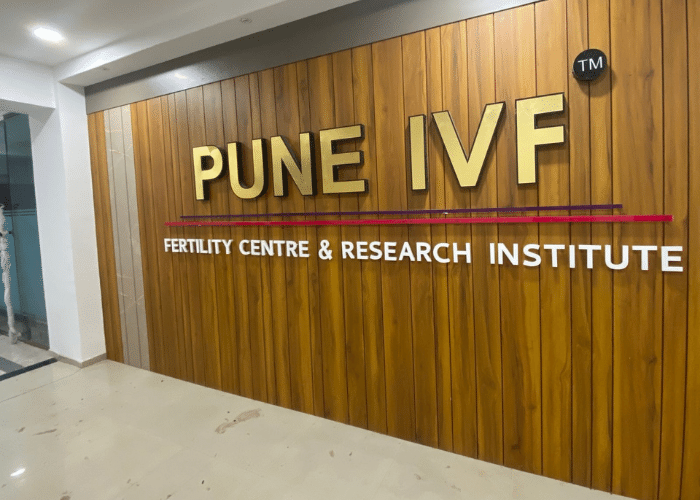
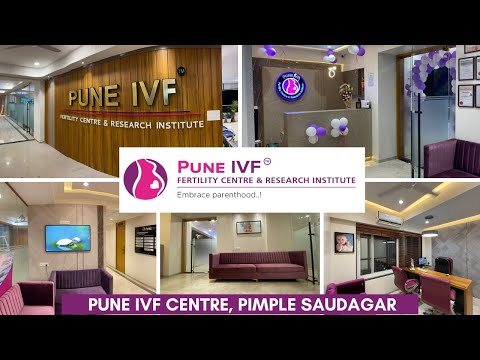
Take a look around our clinic, labs, and patient care spaces.


Real stories from real families who found success with us.
EXCELLENT Based on 159 reviews Posted on Google Tanaya Ajit PawarTrustindex verifies that the original source of the review is Google. Extremely happy with the services received here...specially thankful for the empathetic and compassionate care by Dr Samidha and the entire team here! They are available throughout the entire journey nd in every emergency..Kudos to the entire team for the quality care u all are providing!Posted on Google Santosh VitekariTrustindex verifies that the original source of the review is Google. Pune IVF Center - Best ConsultationPosted on Google Pankaj SuryavanshiTrustindex verifies that the original source of the review is Google. We are very delighted to share our happy moments.we have been taking treatment from various IVF centres in Pune without any success The day we visited Pune IVF at pimple saydagar we knew this place is different and has a positive vibe all around, right from the reception desk to the nursing staff all are very cooperative. Spacial thanks to Samidha madam for making our impossible journey a cakewalk for us. Thanks for being with us in our most difficult times . Our little bundle of joy is ready to conquer the world!Posted on Google 98as24Trustindex verifies that the original source of the review is Google. Very professional IVF clinic with good patient support. The staff is really helpful especially Arti sister. Dr Samidha explains the treatment options clearly and she is very empathetic towards patient. The package here also is very less and invlusive of all the medicines and charges. It is situated on the main BRT road as easily accessible from areas like sanghvi and pimple gurav.Posted on Google BIRU MOJUMDERTrustindex verifies that the original source of the review is Google. We had a positive experience during our fertility consultation here. The doctor is knowledgeable and the staff is very cooperative. For patients living in Sangvi, pimple gurav , the clinic location is convenient for regular visits.Posted on Google Pragati BalbudheTrustindex verifies that the original source of the review is Google. The staff is polite and the clinic environment is clean and professional. The doctor explains everything clearly and answers questions patiently. For couples from bhosari this is a good option for fertility consultation in Pune.Posted on Google Priti KambleTrustindex verifies that the original source of the review is Google. Very supportive doctor and well organised clinic.we felt comfortable discussing fertility concerns and the team guided us properly. This centre is convinient to visit from bhosari as it is on the main BRT road connecting wakad and bhosari.Posted on Google Dhruvin SuchakTrustindex verifies that the original source of the review is Google. good fertility clinic with experienced doctors and helpful staff.the entire process was explained step by step which made us feel comfortable . couples living in wakad can easily visit this centre for IVF consultation in pune .Posted on Google dipali RathodTrustindex verifies that the original source of the review is Google. We visited this IVF centre for consultation and were very satisfied with the experience. The doctor listens patiently and guides couples in a practical way. For people staying in Wakad, the clinic location is quite convenient and easy to reach.Posted on Google Shubhada GuptaTrustindex verifies that the original source of the review is Google. Very nice hospital, supportive staff, Mrs dalvi ma'am is too good, because all of you now I am also part of success stories. Thank you so much ma'am and staff too. 😊
Hear it from Dr. Samidha herself — real explainers on Laser Assisted Hatching Treatment
IVF Procedure Explained (Hindi)
The cost of laser hatching depends on whether it's added to a fresh or frozen embryo transfer cycle, along with any additional lab procedures required. We share complete cost details upfront during your consultation.
No, it's generally recommended only in specific situations, such as repeated implantation failure, a thickened zona pellucida, advanced maternal age, or frozen embryo transfer cycles. Your embryologist will advise if it's right for your case.
Yes, we offer zero-cost EMI options so that treatment cost is never a barrier to your fertility journey. Ask our team about available plans during your consultation.
Yes, the procedure uses a precise, computer-controlled laser that only affects the outer shell of the embryo, without touching or damaging the cells inside.
No single technique can guarantee pregnancy, but laser hatching is designed to remove one possible barrier to implantation, improving the embryo's overall chances in suitable cases.
Yes, it's commonly used with FET cycles, since the freeze-thaw process can sometimes harden the zona pellucida, making assisted hatching particularly useful.
Laser hatching uses a highly controlled, computer-guided laser to create a precise opening, offering greater accuracy and consistency compared to older mechanical or chemical hatching methods.
It's performed in the embryology lab shortly before embryo transfer, once the embryo has reached the appropriate stage of development.
An unsuccessful cycle doesn't mean the end of the road. Your doctor will review the cycle details and may recommend adjustments, further testing, or a different protocol for the next attempt.
How soon after embryo transfer is the pregnancy test done?
Share a few details and our team will call you back to guide you through the next step.
Your details