| Mon-Sat - 9:30AM -8:30PM |
| Sunday - Closed |

The blastocyst transfer is an in vitro fertilization (IVF) technique that was developed to increase pregnancy rates and decrease the risk of multiple pregnancy.
| Mon-Sat - 9:30AM -8:30PM |
| Sunday - Closed |
Pune IVF Centre is one of the best IVF centers in Pune with the largest team of Gynecologists and Embryologists in one place.
A blastocyst is an embryo on Days 5-7 of cell division in which two types of cells are present — a group that forms the placenta and a group that forms the fetus. With recent advances in assisted reproductive technology, IVF laboratory staff now have the means to grow embryos in the proper nutrients to this advanced stage of development before transferring them into a woman’s uterus.
The blastocyst transfer is an in vitro fertilization (IVF) technique that was developed to increase pregnancy rates and decrease the risk of multiple pregnancy. If the embryos are grown in the lab to the blastocyst stage, they are highly developed and ready to hatch out of the zona pellucida and attach to the uterine wall (implantation).
In conventional IVF, embryos are usually only grown in the IVF lab for two or three days before they are transferred into a woman’s uterus, where they must continue growing and developing for four or five more days before they become blastocysts and are ready to implant. At this early stage of development, it is more difficult for an embryologist to determine which embryos will have the greatest success at growing
The safest pregnancy with the best chance for a healthy baby is a singleton pregnancy — multiple pregnancies (even with twins) come with serious risks. Single embryo transfer (SET) with in vitro fertilization (IVF) performed in a high quality laboratory has been found in several studies to be the best solution for patients with a good prognosis, particularly in patients who are under 35 or who conceived with their first IVF cycle, as well as those who are concerned about a multiple pregnancy or who are using donor eggs.
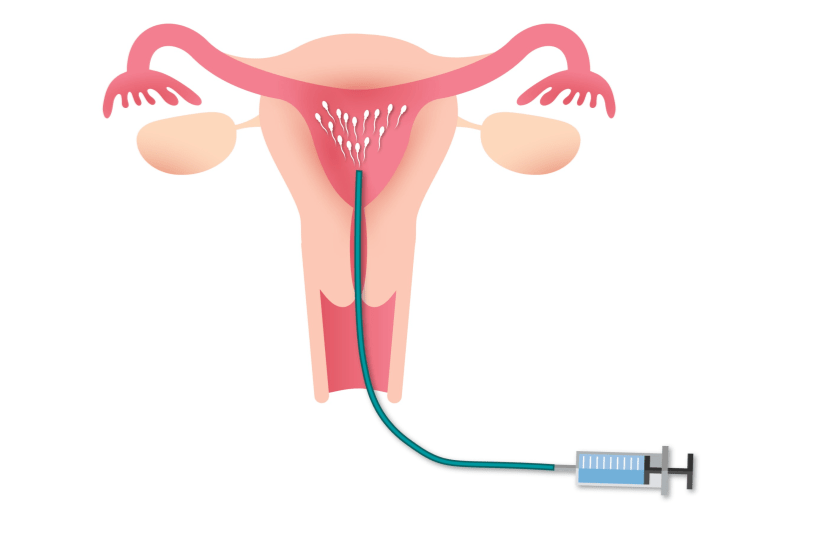
Embryo transfer is the process by which one or several embryos are placed in the patient’s uterus. In single embryo transfer, one embryo is selected and placed in the fallopian tube or uterus. The embryo selected might be a fresh embryo or a frozen embryo from a prior IVF cycle. The embryo could also be from a donor.
Researchers have found that transferring single embryos over several IVF cycles using both fresh and frozen embryos is less expensive and more effective than transferring two or more embryos at a time. And SET is much less likely to result in multiple births and the ensuing risk of complication.
At Pune IVF Centre, patients are informed that symptoms after a successful blastocyst transfer can vary, and some women may not notice any symptoms at all. Common early signs may include mild abdominal cramps, light spotting, breast tenderness, fatigue, bloating, or nausea, mainly due to implantation and hormonal changes. However, these symptoms are not a definite confirmation of pregnancy, and a blood test (beta hCG) is the only reliable way to confirm success after the blastocyst transfer.
Five days after a frozen blastocyst transfer, patients at Pune IVF Centre are advised that symptoms can differ from person to person. Some women may notice mild cramping, light spotting, breast tenderness, fatigue, bloating, or mood changes, while others may feel no symptoms at all. These signs are often related to implantation or hormone support medications, and a blood pregnancy test (beta hCG) is the only reliable way to confirm pregnancy.
At Pune IVF Centre, patients are guided that positive signs after embryo transfer can appear gradually and vary for each woman. A general day-by-day idea is:
However, absence of symptoms is also normal, and only a beta hCG blood test can confirm pregnancy after embryo transfer.
Here’s a general idea of blastocyst transfer success rates by age you can use (e.g., when explaining outcomes at Pune IVF Centre): pregnancy/live birth rates tend to decline with increasing maternal age:
At Pune IVF Centre, frozen blastocyst transfers often have equal or slightly higher success rates than fresh transfers because the uterus is better prepared hormonally. Fresh blastocyst transfers are still effective, but stimulation medications can sometimes affect implantation. The final success rate depends on age, embryo quality, and individual health factors.
At Pune IVF Centre, the main difference between cleavage-stage and blastocyst-stage embryo transfer is the stage of embryo development at the time of transfer. Cleavage-stage transfer is done on day 2 or 3, while blastocyst transfer is done on day 5 or 6, allowing better selection of stronger embryos. Blastocyst transfers generally show higher implantation and pregnancy rates, whereas cleavage-stage transfer may be chosen when fewer embryos are available.
At Pune IVF Centre, the cost of blastocyst transfer in Pune is generally part of the overall IVF/embryo transfer services and can vary depending on whether it’s done with a fresh or frozen embryo and what other procedures are included. In Pune, the specific blastocyst culture and transfer charges typically range around ₹20,000 to ₹30,000 per cycle when billed separately from the full IVF package, though actual prices at Pune IVF Centre may differ based on your treatment plan, tests, and medications.
At fertility centres in Pune, the average price of a blastocyst transfer (when charged separately from a full IVF cycle) usually falls around ₹12,000 – ₹30,000 per transfer, depending on the clinic’s protocols and whether it is fresh or frozen blastocyst transfer. This cost can vary based on laboratory fees, embryo culture charges, and any additional tests or medications required for the cycle.