Blastocyst culture is an advanced IVF lab technique where fertilised eggs are grown in a specialised incubator for 5 to 6 days, instead of the traditional 2-3 days, until they reach the blastocyst stage — a more developed embryo with a higher implantation potential. Once a healthy blastocyst forms, it is transferred into the uterus in a process called embryo transfer, allowing it to implant and grow into a pregnancy.
For couples undergoing IVF in Pimpri Chinchwad, blastocyst culture gives embryologists more time to observe embryo development and select only the strongest, most viable embryo for transfer — improving the chances of a successful pregnancy while reducing the risk of multiple pregnancies.
Recommended for patients with multiple good-quality embryos on Day 3
Helps in selecting the single best embryo for transfer
Useful before genetic screening (PGT) of embryos
Suitable for both fresh embryo transfer and frozen embryo transfer (FET) cycles
Every blastocyst culture and embryo transfer plan is personalised — your fertility specialist will decide the right protocol based on embryo quality, uterine lining, and your overall IVF history.
Our Expert — Dr. Samidha Dalvi-Amale, Pune IVF
Our Expert
Meet the Doctor Behind Pune's Leading Fertility Centre in PCMC
Dr. Samidha Dalvi-Amale
Qualification
MBBS, DNB (ObGyn), FICOG FMCOG
Fellowship in infertility ( Spain)
Masters in Reproductive medicine ( UK)
Member Indian Fertility Society (IFS)
Member Indian Society of assisted reproduction (ISAR)
Experience
Director and Chief IVF Specialist at Pune IVF, practising fertility medicine across Pune for 15+ years
Who Should Consider Blastocyst Culture and Embryo Transfer
Is Blastocyst Culture and Embryo Transfer Right For You?
Who Should Consider Blastocyst Culture and Embryo Transfer
Blastocyst culture isn't needed in every IVF cycle, but it's often recommended in specific situations. Here's when your fertility specialist may suggest it.
Multiple good-quality Day 3 embryos
When several embryos are developing well on Day 3, extending culture to Day 5 helps embryologists identify the single strongest blastocyst for transfer.
Recurrent implantation failure
For patients who've had previous IVF cycles that didn't result in implantation, blastocyst culture allows better embryo selection and timing with the uterine lining.
Planning single embryo transfer (SET)
Couples who want to avoid the risks of a multiple pregnancy benefit from blastocyst-stage selection, which supports confident single embryo transfer.
Genetic testing of embryos (PGT-A/PGT-M)
Embryos need to reach the blastocyst stage before a biopsy can be taken for preimplantation genetic testing.
Frozen embryo transfer (FET) cycles
Blastocysts freeze and thaw more successfully than earlier-stage embryos, making this the preferred approach for many FET protocols.
Unexplained previous IVF failures
When earlier cycles with Day 3 transfers haven't worked, extending culture to the blastocyst stage can offer better insight into embryo quality.
Blastocyst Culture and Embryo Transfer Process, Step by Step
The Process
Blastocyst Culture and Embryo Transfer Process, Step by Step
Here's what the journey from fertilisation to a confirmed pregnancy test looks like at our IVF lab in Pimpri Chinchwad.
1
Egg Retrieval and Fertilisation
Mature eggs are retrieved and combined with sperm through IVF or ICSI, depending on the diagnosis.
2
Day 1-3 Embryo Development
Fertilised eggs are monitored daily as they divide into multi-cell embryos inside the incubator.
3
Extended Blastocyst Culture (Day 4-6)
Embryos continue developing in a controlled lab environment until they reach the blastocyst stage, with an inner cell mass and outer trophectoderm layer.
4
Embryo Grading
Our embryology team grades each blastocyst on its expansion, inner cell mass, and trophectoderm quality to identify the best candidate for transfer.
5
Endometrial Preparation
The uterine lining is monitored and prepared with medication to reach optimal thickness and receptivity for implantation.
6
Embryo Transfer
The selected blastocyst is transferred into the uterus using a thin, soft catheter — a quick, painless procedure that needs no anaesthesia.
7
Luteal Support
Hormonal support (usually progesterone) is given after transfer to help maintain the uterine lining for implantation.
8
Pregnancy Test
About 10-12 days after blastocyst transfer, a blood test (Beta hCG) confirms whether implantation was successful.
Advantages of Blastocyst Culture and Embryo Transfer
Benefits
Advantages of Blastocyst Culture and Embryo Transfer
Better embryo selection
Culturing embryos to Day 5-6 lets embryologists choose the blastocyst with the strongest implantation potential, rather than guessing at Day 3.
Supports single embryo transfer
Higher confidence in embryo quality means fewer embryos need to be transferred, lowering the risk of twin or triplet pregnancies.
Higher implantation rates
Blastocysts are naturally more advanced, closely matching the stage at which a natural pregnancy would implant in the uterus.
Ideal for genetic screening
Embryos must reach the blastocyst stage for an accurate PGT biopsy, making this essential for couples opting for genetic testing.
Compatible with embryo freezing
Blastocysts tolerate freezing and thawing well, supporting effective frozen embryo transfer (FET) cycles for future use.
Reduces uncertainty in transfer decisions
Extended culture reveals which embryos stop developing, helping avoid the transfer of embryos unlikely to result in pregnancy.
Gallery — Pune IVF
Gallery
Facilities At Pune IVF
Take a look around our clinic, labs, and patient care spaces.
Advanced IVF Clinic
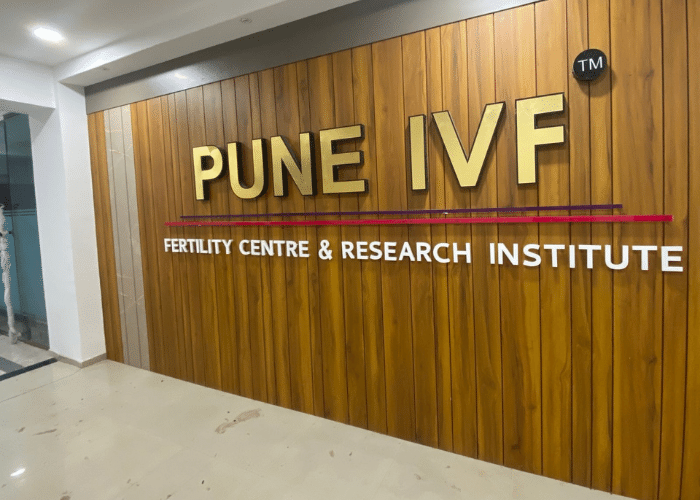
Reception Area
Doctor Consulting Room
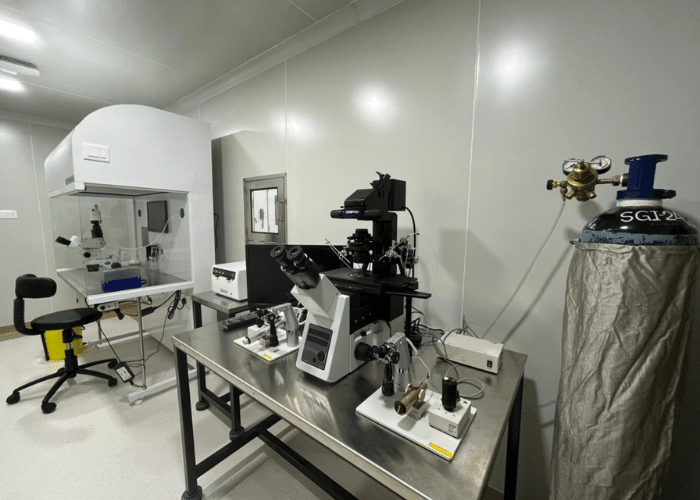
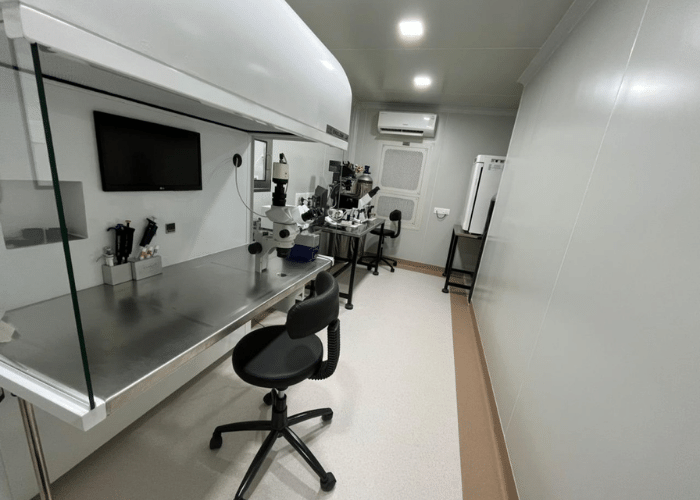
IVF Lab
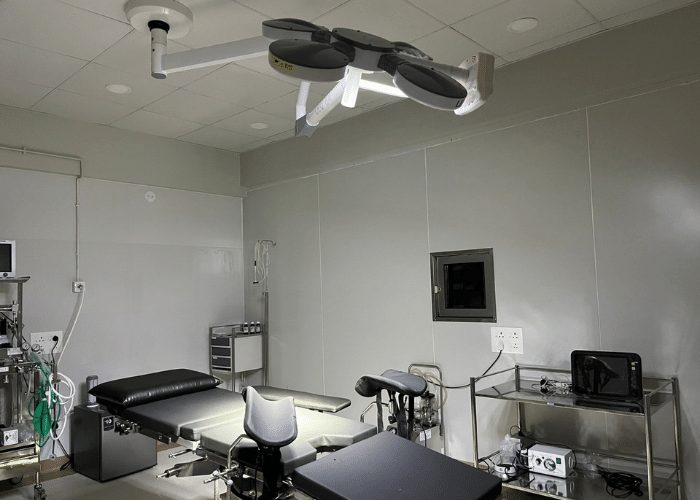
OT
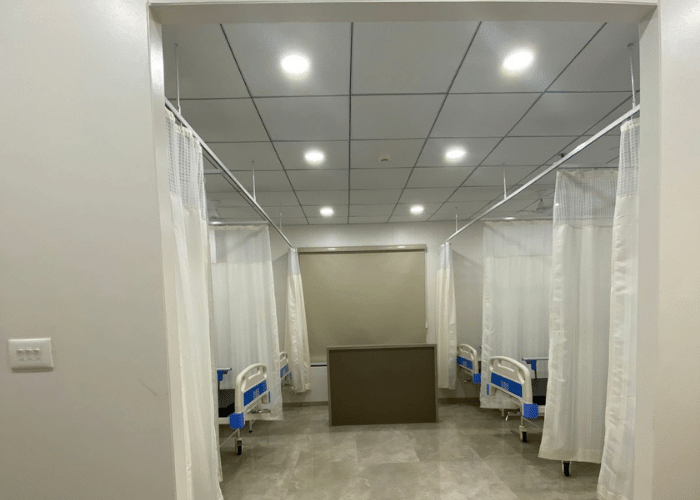
Patient Recovery Area
Advanced IVF Clinic
Reception Area
Doctor Consulting Room
IVF Lab
OT
Patient Recovery Area
Pune IVF Centre
Reception Area
IVF Lab
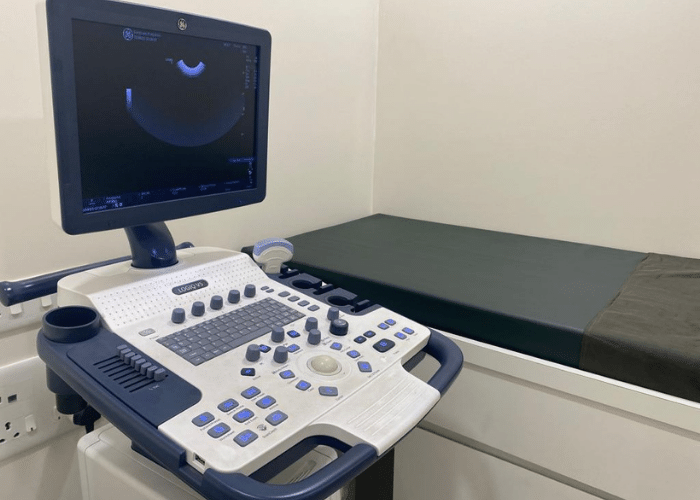
Sonography Room
OT
Patient Recovery Area
Pune IVF Centre
Reception Area
IVF Lab
Sonography Room
OT
Patient Recovery Area
Reviews — Pune IVF
Reviews
Why Patients Choose Pune's Best Blastocyst Culture and Embryo Transfer Center
Real stories from real families who found success with us.
[trustindex no-registration=google]
Videos — Pune IVF
Videos
Pune IVF Experts Speak
Hear it from Dr. Samidha herself — real explainers on fertility and IVF treatment.
IVF Procedure Explained (Hindi)
About Pune IVF Fertility Centre
IVF Procedure Explained (Hindi)
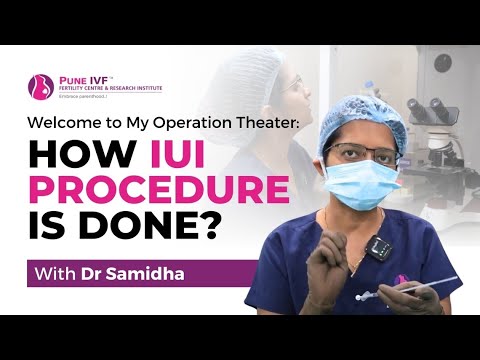
Live IUI Procedure — Welcome to My IVF OT
Live Sonosalpingography (SSG) — Checking Blocked Tubes
Is IUI's Success Rate Lower Than IVF's?
IVF Treatment FAQs — Pune IVF
FAQs
Blastocyst Culture and Embryo Transfer FAQs
What is the difference between Day 3 and Day 5 (blastocyst) embryo transfer?
Day 3 embryos are transferred earlier in development, while Day 5 blastocysts have developed further in the lab, allowing better selection of the most viable embryo for transfer.
What is the cost of blastocyst culture in Pimpri Chinchwad?
Blastocyst culture cost depends on the number of embryos, lab procedures involved, and whether genetic testing or freezing is needed. Your fertility specialist will provide a detailed estimate after your consultation.
Is blastocyst transfer more successful than a Day 3 transfer?
Blastocyst transfer often shows higher implantation rates per embryo, since only the strongest embryos typically survive to Day 5-6 in culture.
Do all embryos survive to become blastocysts?
No, not every fertilised egg reaches the blastocyst stage. This is actually one of the benefits of extended culture — it naturally filters out embryos less likely to implant successfully.
Is bed rest required after embryo transfer?
No strict bed rest is needed. Most patients resume light, normal activity the same day, though strenuous exercise should be avoided for a short period afterward.
Are frozen blastocyst transfers as effective as fresh ones?
Yes, frozen embryo transfer (FET) using blastocysts is generally just as effective as fresh transfer, and in some cases shows even better outcomes since the body has time to recover before transfer.
How many blastocysts are transferred in one cycle?
Most cycles now transfer a single blastocyst to minimise the risk of multiple pregnancy, though this depends on embryo quality, age, and medical history.
What happens to extra blastocysts after transfer?
Additional healthy blastocysts can be frozen and stored for future frozen embryo transfer cycles, giving you the option of future siblings without repeating the full IVF process.
Is blastocyst transfer painful?
No, embryo transfer is a quick, painless procedure that doesn't require anaesthesia. It's similar to a Pap smear and takes only a few minutes, using a thin catheter to place the embryo into the uterus.
How many blastocyst transfer attempts are usually needed for pregnancy?
This varies widely by age, embryo quality, and underlying diagnosis. Some patients conceive in their first blastocyst transfer, while others may need 2-3 attempts, especially with frozen embryos from the same cycle.
Book Your Free Consultation for Blastocyst Culture and Embryo Transfer in Pimpri Chinchwad
Book Your Free Consultation for Blastocyst Culture and Embryo Transfer in Pimpri Chinchwad
Share a few details and our team will call you back to guide you through the next step.
No Hidden Cost
Ethical & Transparent Process
Holistic Approach
24/7 Support
Your details
Request received!Our team will call you back shortly.