Pimpri Chinchwad's advanced fertility lab — precision-driven ICSI treatment for male-factor and complex infertility cases.
Intracytoplasmic Sperm Injection (ICSI) is an advanced form of IVF in which a single, carefully selected sperm is injected directly into the centre of a mature egg using a fine glass needle, under high-powered microscopic guidance. Once fertilised, the resulting embryo is cultured in the lab before being transferred into the uterus, just as in a standard IVF cycle.
Because ICSI removes the need for sperm to fertilise the egg on its own, it's especially valuable for couples where male-factor infertility is the main obstacle to conception.s unlikely to succeed.
Your fertility specialist will confirm whether ICSI is the right protocol for you based on semen analysis, prior treatment history, and overall diagnosis.
ICSI is typically recommended when regular IVF hasn't worked, or when a male-fertility diagnosis makes natural sperm-egg fertilisation unlikely. At our Pimpri Chinchwad centre, every case is reviewed in detail before we recommend this route.
When sperm numbers are significantly below normal. ICSI can help by directly injecting a selected sperm into the egg.
When sperm movement or shape may affect fertilisation. ICSI can help overcome some of these sperm-related challenges.
When a previous IVF cycle resulted in poor or no fertilisation. ICSI may be considered for a subsequent cycle.
When sperm is collected through procedures such as TESA or PESA. ICSI may be used to help achieve fertilisation with the retrieved sperm.
When sperm delivery is affected by retrograde ejaculation or certain immune-related factors. ICSI may be considered based on the individual fertility assessment.
When testing shows increased sperm DNA fragmentation. Your specialist may consider ICSI as part of the overall treatment approach.
When your treatment plan involves frozen or donor sperm. ICSI may be recommended depending on the treatment plan and individual circumstances. .
When infertility continues despite otherwise normal fertility reports. ICSI may be considered when fertilisation concerns remain unexplained.
From your first consultation to a confirmed pregnancy test, here's what the ICSI journey actually looks like.
Your journey starts with a thorough diagnostic workup — hormone testing, pelvic ultrasound, and detailed semen analysis for both partners. These results help our team decide on the right stimulation protocol and sperm-preparation method for your case.
Hormonal injections are given over roughly 8 to 14 days to help the ovaries develop multiple mature eggs. Dosages are personalised around your age, AMH level, and hormone response, with a final trigger injection timed precisely once the follicles are ready.
About 36 hours after the trigger shot, eggs are collected in a short outpatient procedure performed under mild sedation and guided by transvaginal ultrasound. The entire process is usually completed within half an hour, after which the eggs are moved straight to our embryology lab.
A semen sample is collected on the same day as egg retrieval. If ejaculation isn't possible or the sample doesn't contain enough usable sperm, our team can perform a surgical retrieval procedure such as TESA or PESA. The sample is then screened under high magnification to identify the healthiest, most active sperm for injection.
Working under a high-powered microscope, our embryologists use a micro-fine needle to inject a single selected sperm directly into each mature egg. This step sidesteps the natural fertilisation barriers that sperm-related issues can otherwise create, and is carried out using precision micromanipulation equipment to protect embryo quality..
Fertilised eggs are cultured in monitored incubators for 5 to 6 days while our embryology team tracks their development and selects the strongest embryo for transfer. The transfer itself is quick, painless, and doesn't require anaesthesia. Any additional healthy embryos can be frozen for future cycles.
Roughly two weeks after transfer, a blood test confirms whether the cycle was successful. Whatever the outcome, our care team stays involved — offering early pregnancy monitoring for successful cycles, or a clear, supportive discussion of next steps if the result isn't positive.
ICSI is specifically designed for cases involving a very low sperm count, weak sperm movement, or irregularly shaped sperm — conditions that often make natural or conventional IVF fertilisation difficult.
Even when sperm has to be collected directly from the testes through TESA or PESA, ICSI allows that sperm to be used for fertilisation, opening the door to biological fatherhood for many men who'd otherwise have no other option.
In cases where the egg's outer layer is unusually thick or hard, ICSI bypasses the problem entirely by placing sperm directly inside the egg instead of relying on it to penetrate naturally.
For couples who experienced poor or zero fertilisation in a previous standard IVF attempt, ICSI often delivers noticeably better fertilisation rates the second time around.
Because sperm selection happens under high magnification, our embryology team can hand-pick the healthiest-looking, most active sperm for injection — a level of control that isn't possible with conventional IVF.
ICSI performs reliably even when using previously frozen sperm samples or donor sperm, which sometimes have lower motility than a fresh sample — making it a dependable option for these situations.
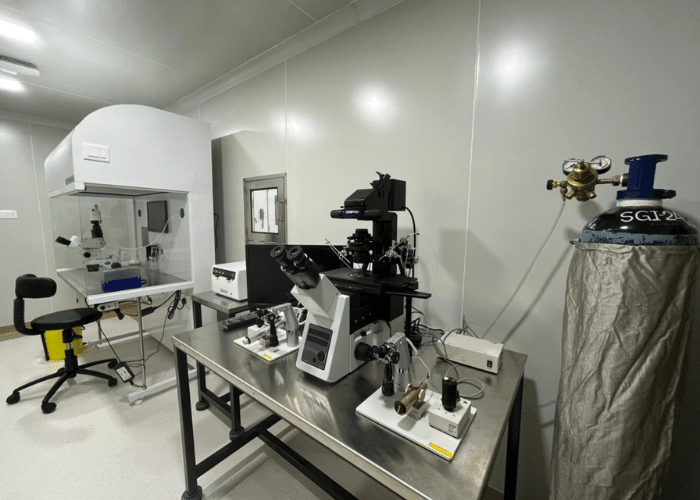
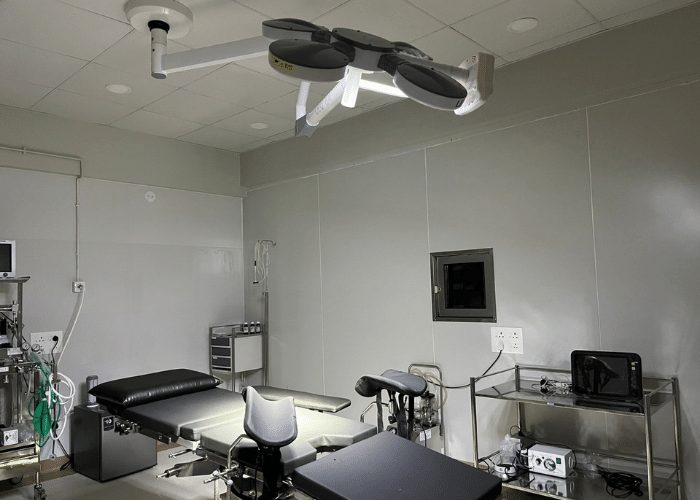
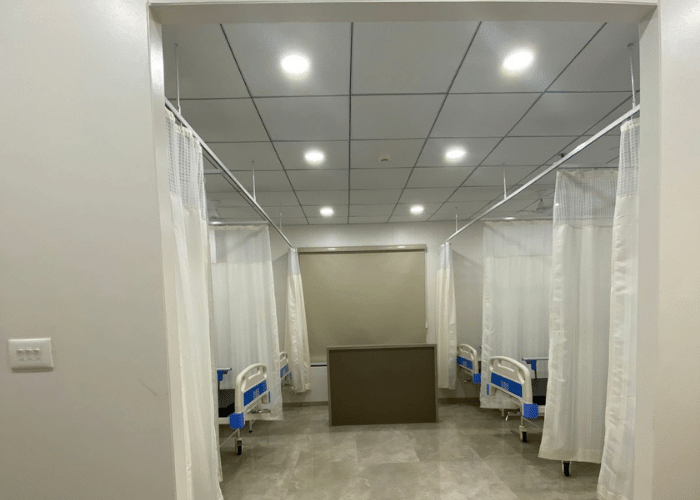
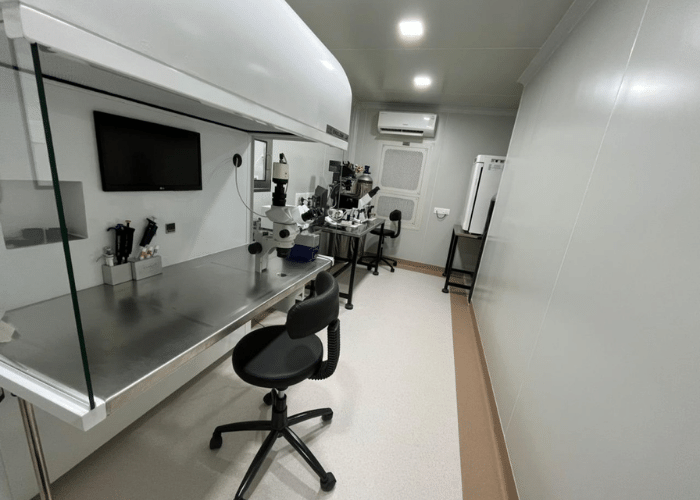
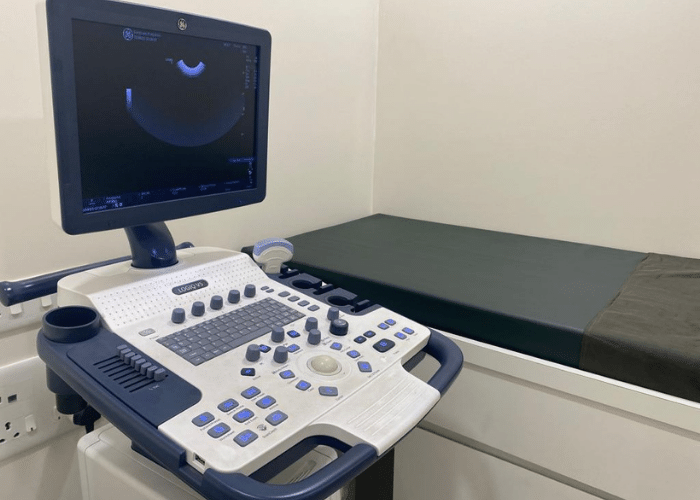
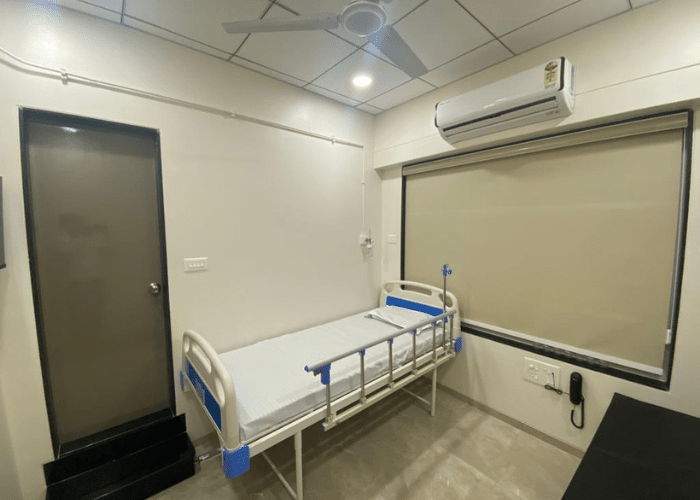
Take a look around our clinic, labs, and patient care spaces.


Real stories from real families who found success with ICSI treatment at Pune IVF.
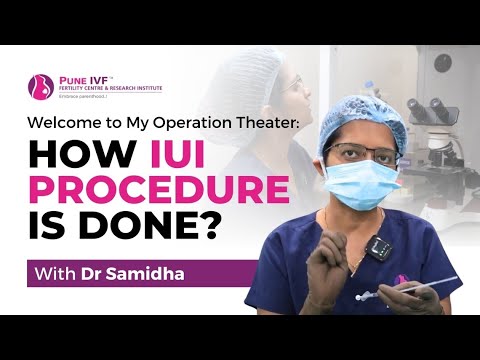
Hear it from Dr. Samidha herself — real explainers on fertility and ICSI treatment..
IVF Procedure Explained (Hindi)

The cost of an ICSI cycle depends on your diagnosis, the sperm retrieval method required, and any additional lab procedures like genetic testing or embryo freezing. We explain every cost upfront during your consultation, so there are no surprises later.
Medication dosage, the number of monitoring visits, surgical sperm retrieval (if needed), and any additional testing all influence the final cost. Your doctor will give you a personalised estimate after your first visit.
Yes, we offer zero-cost EMI options so treatment cost is never a barrier to starting your fertility journey. Ask our team about available plans during your consultation.
A typical ICSI cycle takes around four to six weeks, from the start of ovarian stimulation through to the pregnancy test after embryo transfer.
In conventional IVF, eggs and sperm are combined and left to fertilise naturally in a lab dish. In ICSI, a single selected sperm is injected directly into each egg — a technique usually recommended for male-factor infertility or previous fertilisation failure.
No, ICSI is generally reserved for cases involving male-factor infertility, prior fertilisation failure, or when embryos will undergo genetic testing. Your doctor will advise whether it's necessary for your specific situation.
Yes, sperm retrieved directly from the testicle or epididymis through minor surgical procedures can be used successfully with ICSI, even when the ejaculate contains no sperm.
Large studies show the overall risk remains low and broadly comparable to natural conception, though your doctor can discuss the current evidence in more detail based on your specific case.
An unsuccessful cycle doesn't mean the end of the road. Your doctor will review what happened and may adjust the protocol, use frozen embryos if available, or recommend further testing before the next attempt.
Yes, frozen embryo transfers following ICSI are generally just as effective as fresh transfers, and in some cases even more successful, since the body has time to recover from stimulation before transfer.
Share a few details and our team will call you back to guide you through the next step.
Your details