
Preparing for IVF: The Ultimate 90-Day Guide to Diet, Lifestyle, and Supplements
– Published on 29 MAY 2026
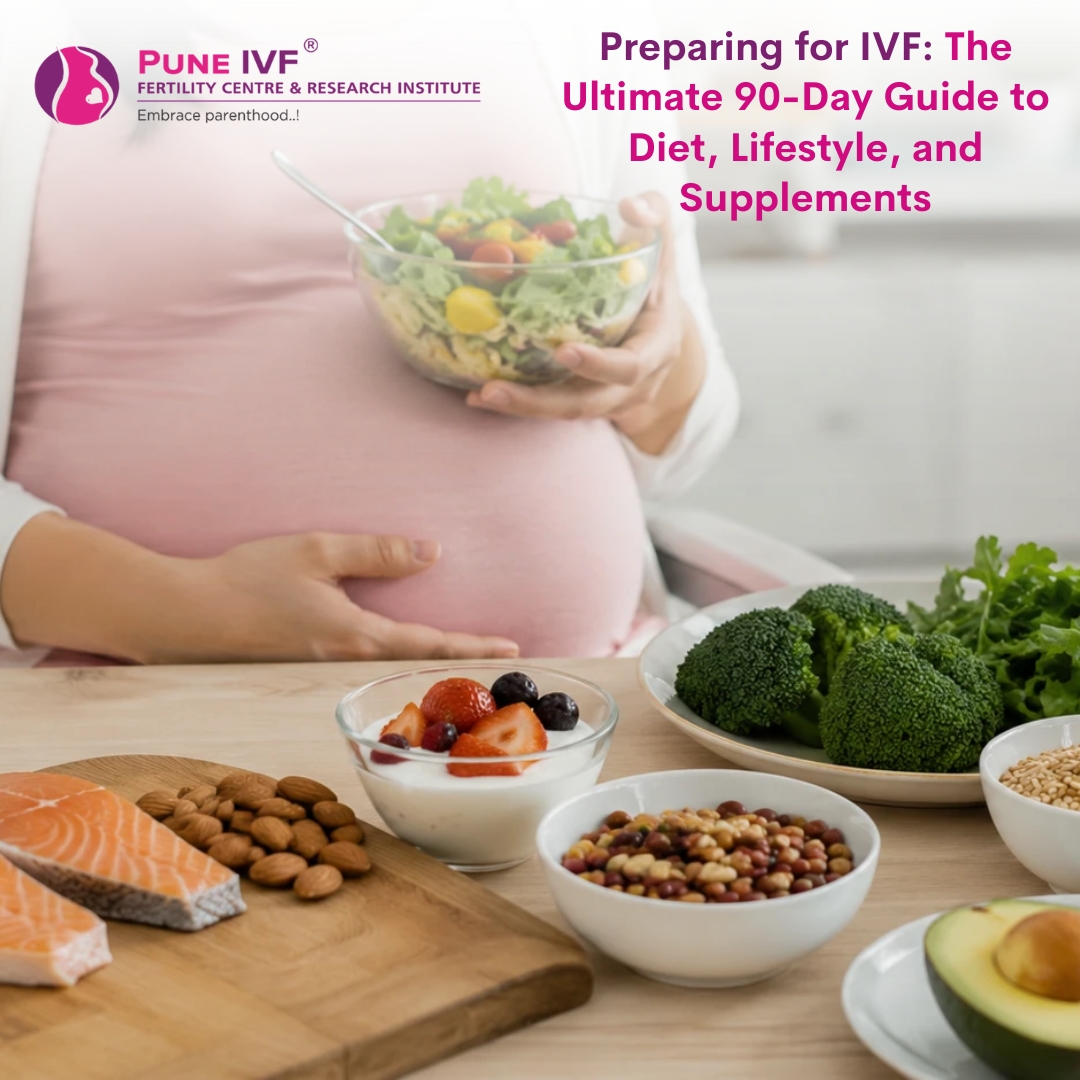
Planning for IVF can feel overwhelming, especially when you want to do everything possible to support your fertility journey. While IVF treatment involves advanced medical procedures, your body’s overall health also plays an important role in preparing for conception. This is why many fertility specialists recommend focusing on nutrition, lifestyle habits, and essential supplements in the months before treatment.
The 90 days before IVF are considered important because egg maturation and sperm development occur over approximately three months. Positive changes during this period may help improve reproductive health and create a better environment for fertility treatment.
This guide explains how to prepare physically and mentally through diet, lifestyle adjustments, and supplements before starting IVF.
Why the 90 Days Before IVF Matter
Egg quality and sperm quality are influenced by multiple factors including nutrition, stress levels, sleep, smoking, alcohol consumption, and overall health conditions. Preparing your body in advance may support hormonal balance and improve overall wellness before IVF cycles begin.
Benefits of pre-IVF preparation may include:
- Supporting reproductive health
- Improving nutritional status
- Maintaining healthy hormone function
- Managing stress levels
- Promoting healthy body weight
- Building healthier daily habits
Although lifestyle changes cannot guarantee IVF success, they may help optimize your body for treatment.
IVF Preparation Diet: Foods That Support Fertility
A balanced diet is one of the most important aspects of preparing for IVF. Focus on nutrient-rich foods that provide vitamins, antioxidants, proteins, and healthy fats.
- Increase Protein Intake
Protein helps support cell growth and hormone production.
Healthy protein sources include:
- Eggs
- Lentils and legumes
- Fish rich in omega-3
- Chicken
- Paneer
- Tofu
- Nuts and seeds
Choose lean protein options whenever possible.
- Eat More Fruits and Vegetables
Colorful fruits and vegetables contain antioxidants that may help protect reproductive cells from oxidative stress.
Include:
- Spinach
- Broccoli
- Carrots
- Berries
- Oranges
- Pomegranate
- Avocados
Aim to include vegetables in every meal.
- Choose Whole Grains
Whole grains provide fiber and help support stable blood sugar levels.
Examples:
- Oats
- Brown rice
- Quinoa
- Whole wheat products
- Millets
Reducing highly processed foods may benefit overall health.
- Include Healthy Fats
Healthy fats are important for hormone production.
Good options include:
- Walnuts
- Flaxseeds
- Olive oil
- Almonds
- Chia seeds
- Fatty fish
Avoid excessive intake of trans fats and fried foods.
- Stay Hydrated
Water supports overall body functions and metabolism.
Try to:
- Drink adequate water daily
- Limit sugary beverages
- Reduce excessive caffeine consumption
Foods to Limit Before IVF
Some dietary habits may negatively affect fertility health.
Reduce intake of:
- Processed snacks
- Excess sugar
- Deep-fried foods
- Alcohol
- Smoking products
- Excessive caffeine
- High trans-fat foods
Moderation is important rather than sudden restrictive dieting.
Essential Lifestyle Changes Before IVF
Lifestyle habits often influence physical and emotional wellness during fertility treatment.
Maintain a Healthy Weight
Being significantly underweight or overweight may affect hormone balance. Work toward a healthy body weight through balanced eating and regular activity.
Exercise Regularly
Moderate exercise supports circulation and stress reduction.
Suitable activities:
- Walking
- Yoga
- Stretching
- Swimming
- Light strength training
Avoid overly intense workouts if advised by your fertility specialist.
Improve Sleep Quality
Poor sleep may influence stress and hormone regulation.
Helpful sleep habits:
- Sleep 7–8 hours regularly
- Avoid screens before bedtime
- Maintain a consistent sleep schedule
Manage Stress Levels
IVF preparation can create emotional pressure. Chronic stress may affect overall well-being.
Stress management methods:
- Meditation
- Deep breathing exercises
- Journaling
- Counseling support
- Relaxation techniques
Mental health care is equally important during IVF preparation.
Stop Smoking and Limit Alcohol
Smoking and excessive alcohol consumption may negatively impact reproductive health in both men and women. Stopping these habits before IVF is generally recommended.
Supplements Commonly Recommended Before IVF
Supplements should only be taken after consultation with a fertility expert because individual requirements differ.
Some commonly discussed supplements include:
Folic Acid
Folic acid is widely recommended before pregnancy to support fetal development.
Vitamin D
Low vitamin D levels are common and may require correction in some individuals.
Omega-3 Fatty Acids
Omega-3 may support overall health and inflammation regulation.
Iron Supplements
Iron deficiency should be addressed if present.
Coenzyme Q10 (CoQ10)
Some fertility discussions include CoQ10 for reproductive health support, though recommendations vary by individual condition.
Prenatal Vitamins
Doctors may suggest prenatal vitamins before IVF treatment.
Always avoid self-prescribing supplements without medical advice.
Male Fertility Preparation Before IVF
IVF preparation is important for male partners as well because sperm quality contributes to fertility outcomes.
Men can focus on:
- Nutritious diet
- Adequate sleep
- Exercise
- Avoiding smoking
- Limiting alcohol
- Managing stress
- Taking doctor-recommended supplements
Healthy habits from both partners may support reproductive wellness.
When Should You Start Preparing for IVF?
Experts often recommend beginning lifestyle improvements at least 90 days before IVF treatment. Starting early allows time to establish healthier routines and address nutritional deficiencies.
If you have conditions such as PCOS, thyroid disorders, diabetes, or obesity, additional medical guidance may be beneficial before beginning IVF.
Final Thoughts
Preparing for IVF involves more than scheduling procedures and medical appointments. The ultimate 90-day guide to diet, lifestyle, and supplements emphasizes creating healthier habits that support overall wellness before treatment.
Balanced nutrition, regular exercise, adequate sleep, stress management, and medically guided supplements may help you feel physically and emotionally prepared for your IVF journey. Every fertility experience is unique, so personalized advice from a fertility specialist remains essential.
A thoughtful approach during the months before treatment can help you move into IVF with greater confidence, awareness, and readiness.

By Dr Samidha Dalvi-Amale
IVF and Fertility specialist Medical Director- Pune IVF